Today I want to reflect on something that connects psychology, human behaviour, and personal growth. It’s about addiction, but not just in the narrow sense of substances or habits. When we look at addiction, it’s easy to assume that substances like alcohol or drugs are the main cause. But a deeper psychological view suggests something …

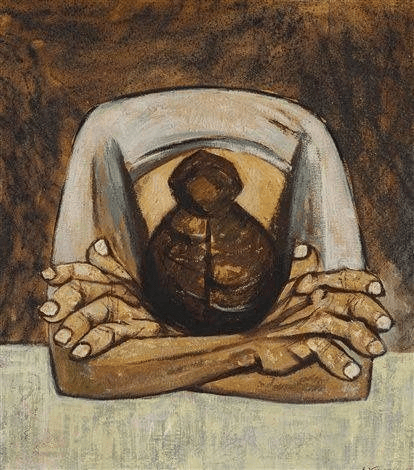
Today I want to reflect on something that connects psychology, human behaviour, and personal growth. It’s about addiction, but not just in the narrow sense of substances or habits. When we look at addiction, it’s easy to assume that substances like alcohol or drugs are the main cause. But a deeper psychological view suggests something more complex. Many forms of addiction arise from unresolved emotional or psychological issues within the individual. This can apply not only to alcohol or drugs, but also to things like sex, shopping, or other repetitive and compulsive behaviours. In many cases, these behaviours are not just about pleasure or habit. They can become ways of coping, calming the mind, escaping emotional pain, or temporarily numbing feelings such as insecurity, self-hatred, loneliness, or internal conflict. From this perspective, the addiction itself is not the core issue. Instead, it can be seen as a symptom of something deeper. The behaviour or substance becomes a quick and accessible way of avoiding emotional experiences that feel too painful, too overwhelming, or too complicated to face directly.
This understanding also connects to a broader idea in psychology and personal development: self-realisation and personal growth. True self-understanding is not simply about assuming that we already know who we are. Rather, it involves a careful and honest awareness of the conditioning, fears, insecurities, and psychological patterns that shape how we think, feel, and behave. Many psychological and spiritual traditions describe self-realisation not as a final achievement, but as an ongoing process, almost like a gateway. It opens the possibility of greater freedom, clarity, and a deeper understanding of both ourselves and the world around us.
The key message here is that our conditioning does not have to define us permanently. Even though these patterns can be deeply rooted and sometimes difficult to recognise, awareness is the first and most important step. Once we begin to see these patterns clearly, we are no longer entirely controlled by them. Instead of living unconsciously within them, we start to create space between ourselves and our conditioning. And in that space, change becomes possible.