A man is rowing a boat down a river. Everything is calm until he notices another boat heading straight toward him. He starts to panic, thinking they're about to crash. He shouts for the other person to move, but the boat keeps coming. The closer it gets, the angrier he becomes. He's yelling, swearing, completely …


A man is rowing a boat down a river. Everything is calm until he notices another boat heading straight toward him. He starts to panic, thinking they’re about to crash. He shouts for the other person to move, but the boat keeps coming. The closer it gets, the angrier he becomes. He’s yelling, swearing, completely worked up, convinced the other person is ignoring him. Then, just before the boats collide, he realizes something—the other boat is empty. There’s nobody in it at all.
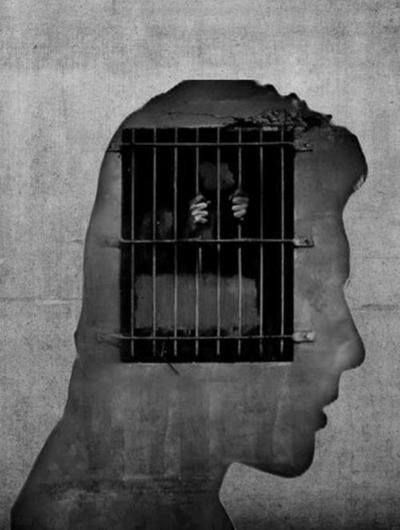
So he simply reaches out with his paddle, gently pushes the boat aside, and instantly all the anger, fear, and stress disappear. That story feels a lot like life. Human beings naturally carry a kind of built-in anxiety, and many times we create fear within ourselves—not because the situation itself is causing it, but because of our imagination.
That’s why, when we feel anxious or overwhelmed, it helps to pause and look at things more rationally instead of letting our imagination take over. A lot of the time, the fear and panic we feel come more from our mind than from reality itself.